Medication Codeine: What Patients Should Know Before Taking It Key Highlights * Codeine is an opioid medication primarily prescribed for moderate to severe pain relief. * It works by affecting your central nervous system, changing how you feel and respond to pain. * Common side effects of codeine include drowsiness, constipation, and nausea. * There are also serious risks, such as trouble breathing and becoming physically dependent on the medicine. * If you use codeine for a long time and then stop suddenly, you might have withdrawal symptoms. * Mi Read
Medication Dilaudid: What You Need to Know About This Painkiller Key Highlights * Dilaudid is a powerful opioid medication prescribed for severe pain when other treatments are not effective. * It helps relieve pain by changing how your brain and nervous system react to pain signals. * Doctors usually reserve Dilaudid for severe pain, especially when other options have not helped. * Dilaudid can be habit-forming, so you should only take it exactly as your doctor tells you to avoid the risk of dependence. Introduction This guide is here to help you le Read
Medication Medication in Pregnancy: A Guide to Risk, Safety, and the Role of Genetics Key Takeaways * No medication is 100% risk-free during pregnancy. Every decision requires a careful risk-benefit conversation with your healthcare provider. * Your personal risk from a medication is not universal. It is heavily influenced by your unique genetic makeup, specifically the genes that control how your body metabolizes drugs. * Pharmacogenetic (PGx) testing is a science that analyzes these genes to predict how you will respond to a medication, helping to identify which drugs may b Read
Medication The Tylenol Autism Link: The Genetic Factor No One Is Talking About Key Takeaways * Recent studies have suggested a correlation between frequent acetaminophen (Tylenol) use during pregnancy and a higher risk of ADHD and autism in children, causing understandable concern for parents. * The key takeaway from this news is not that Tylenol is universally dangerous, but that an individual's risk from any medication is deeply personal and tied to their unique biology. * The missing piece of this conversation is genetics. How a mother's and child's body metabolizes Read
Medication Lethargy: Symptoms Causes and Solutions Key Highlights * Lethargy is marked by a lack of energy and motivation, making everyday tasks difficult and often impacting both physical and mental health. * Symptoms of lethargy include sluggishness, decreased alertness, shortness of breath, and an indifferent attitude, which may signal underlying health conditions. * Common causes range from lifestyle factors like poor sleep, unhealthy diet, and lack of exercise to chronic medical conditions such as thyroid disorder or major depression. Read
Medication Statins and Dementia: What’s the Connection? Key Highlights * The relationship between statin use and dementia risk remains inconclusive, with studies showing both neutral and protective effects. * No substantial evidence currently links statins to increased cognitive decline or risk of Alzheimer’s disease. * Lipophilic (fat-soluble) and hydrophilic (water-soluble) statins have different effects on cognitive function because they differ in their ability to penetrate tissues, especially the brain. * Older adults benefit from statin the Read
Medication Herpes Medication: What Your Best Options Are Key Highlights * Herpes simplex infections, including genital herpes and oral herpes, are managed with antiviral therapy such as acyclovir, valacyclovir, and famciclovir. * These herpes medications reduce the severity and frequency of outbreaks, lower viral shedding, and help prevent transmission. * Suppressive therapy may be recommended for those with frequent recurrent outbreaks, while episodic therapy targets acute symptoms. * Common side effects include mild symptoms like nausea and h Read
Medication Yeast Infection Medicine: What Works Best Key Highlights * Yeast infections, caused by candida albicans, are common and trigger symptoms such as vaginal itching, redness, and discharge. * Over-the-counter (OTC) yeast infection creams and suppositories, such as Monistat and clotrimazole, are effective first-line options. * Prescription medication, including oral Fluconazole (Diflucan) and Ibrexafungerp (Brexafemme), offers alternatives for stubborn or recurrent cases. * Recognizing symptoms early can help you seek the right treatmen Read
Medication Doxazosin: What You Need To Know Key Highlights * Doxazosin is a medication used to treat high blood pressure and alleviate symptoms of benign prostatic hyperplasia (BPH). * It works by relaxing blood vessels and the neck of the bladder. This makes it easier for blood to flow and for urine to pass. * The common side effects of doxazosin are dizziness, nausea, and drowsiness. * Some other drugs, supplements, or certain foods may interact with doxazosin, so talk to a pharmacist or your healthcare provider before starting any Read
Medication What Is The Best Painkiller for Knee Pain? Your Relief Options Key Highlights * Finding the best pain reliever for knee pain begins with understanding the specific causes and symptoms affecting the joint. * Pain management for knee pain can involve a combination of oral, topical medications, or injections * NSAIDs, acetaminophen, and prescription drugs each offer distinct forms of relief for knee pain with varying side effects. * Topical medications such as creams and gels provide targeted relief directly to the sore area. * Advanced treatment options Read
Medication Cortisol Detox: 19 Ways To Lower Stress Key Highlights * Cortisol, often known as the stress hormone, plays a significant role in managing your body's response to stress, but chronic stress can lead to higher cortisol levels and health issues. * Establishing a consistent sleep schedule is crucial for better sleep quality, which helps lower cortisol levels and supports stress management. * Physical activity enhances heart rate while promoting stress relief and decreases cortisol production over time. * Relaxation techniques, such Read
Medication Microdosing Ozempic: 3 Critical Things You Need to Know Key Highlights * Microdosing Ozempic involves using semaglutide in smaller, off-label amounts than prescribed for weight management or appetite suppression. * The primary motivations for microdosing Ozempic are to mitigate common side effects like nausea and to make the medication more affordable. * Scientific evidence supporting the efficacy and safety of this practice is minimal, and its use remains entirely off-label. * Common methods for microdosing Ozempic include counting clicks on in Read
Medication Steroids for Back Pain: What You Need To Know Key Highlights * Steroids, particularly corticosteroid injections, are widely used to alleviate moderate to severe back pain and radicular symptoms linked to spinal inflammation. * Epidural steroid injections target specific sites of inflammation locally, while oral steroids act systemically, each offering distinct benefits and limitations. * Side effects can range from temporary injection site discomfort and increased blood sugar to more serious long-term risks like bone density loss or inf Read
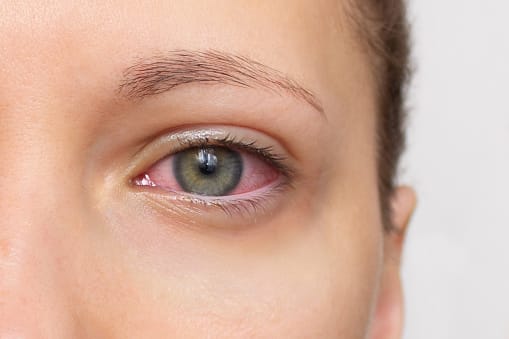
Medication Pink Eye vs Allergies: Key Differences To Look For Key Highlights * Pink eye, clinically known as conjunctivitis, is an inflammation of the conjunctiva caused by bacteria, viruses, or allergens, leading to symptoms like eye redness and discharge. * Eye allergies, a form of allergic conjunctivitis, are an immune system response to common allergens like pollen, pet dander, or dust mites, typically causing watery, itchy eyes. * The primary symptoms of infectious pink eye often include thick green or yellow discharge and crusting of the eyelids, Read
Medication Nausea Medication: Treatment Options Explored Key Highlights * Nausea and vomiting are common symptoms that can be triggered by a variety of conditions, including stomach flu, pregnancy, and migraines * To help control nausea, the use of antiemetic medications like antihistamines, serotonin antagonists, and cannabinoids can help. These medications work by targeting specific receptors in the body that trigger nausea, helping to block or reduce the response * You can obtain anti-nausea medications over-the-counter, but others will need a Read